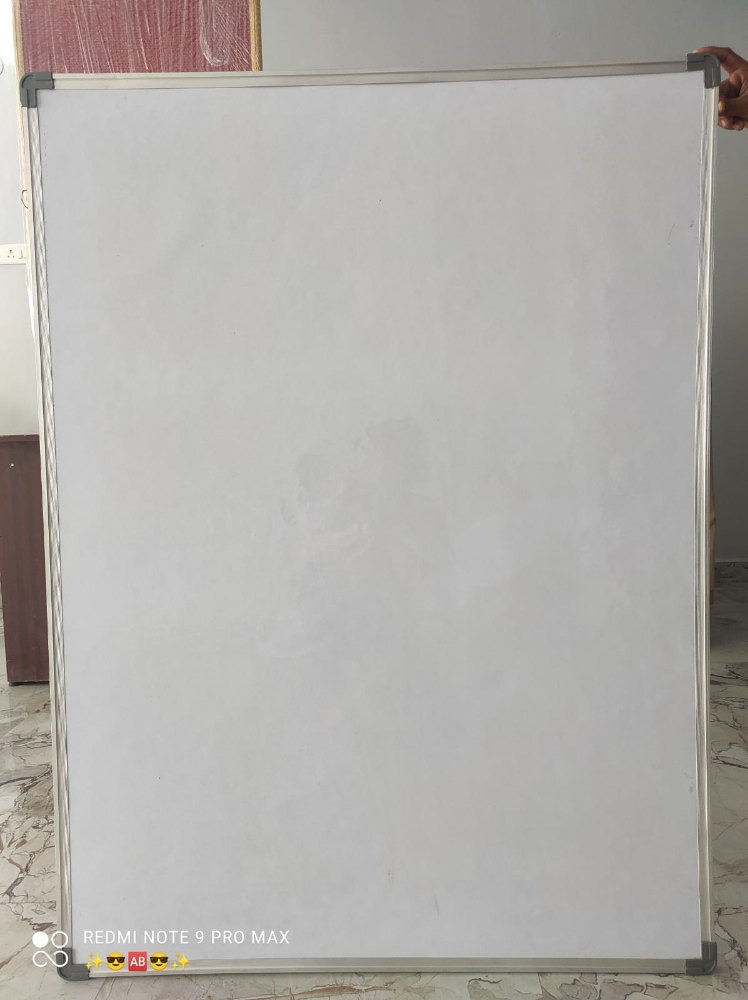
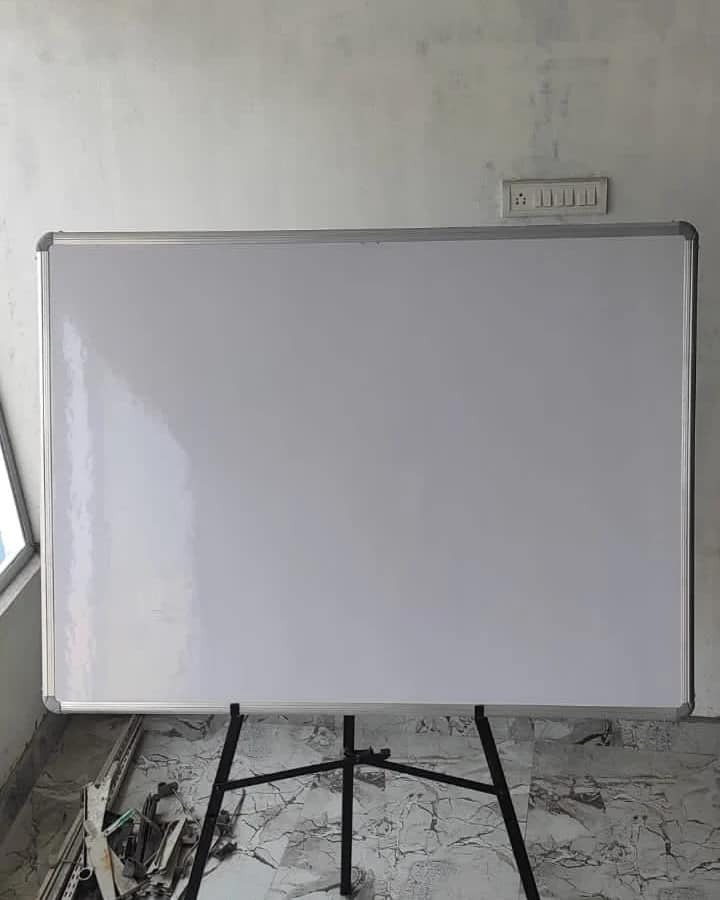
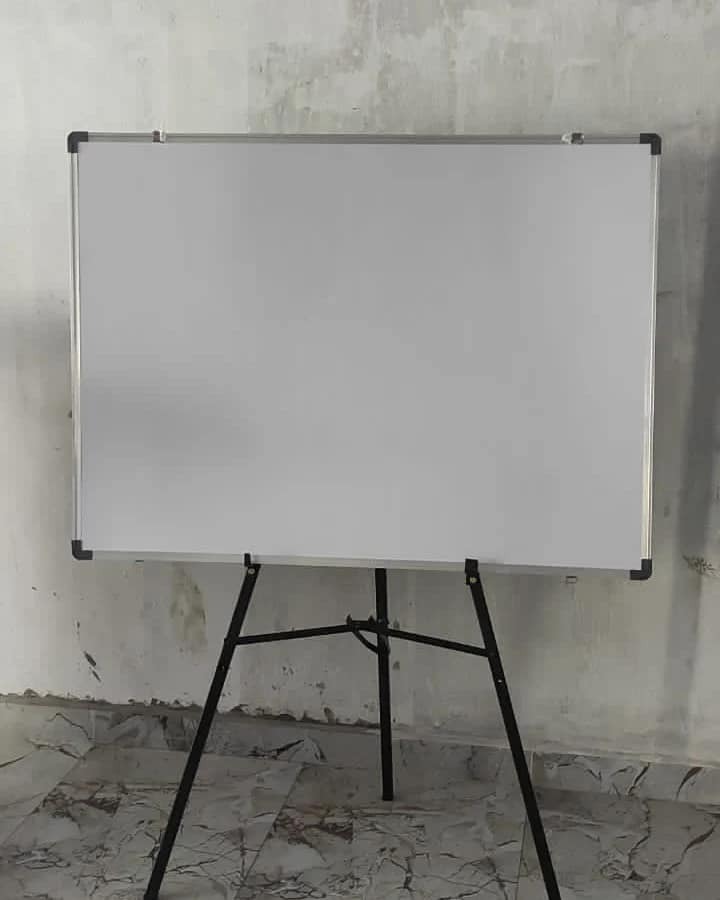
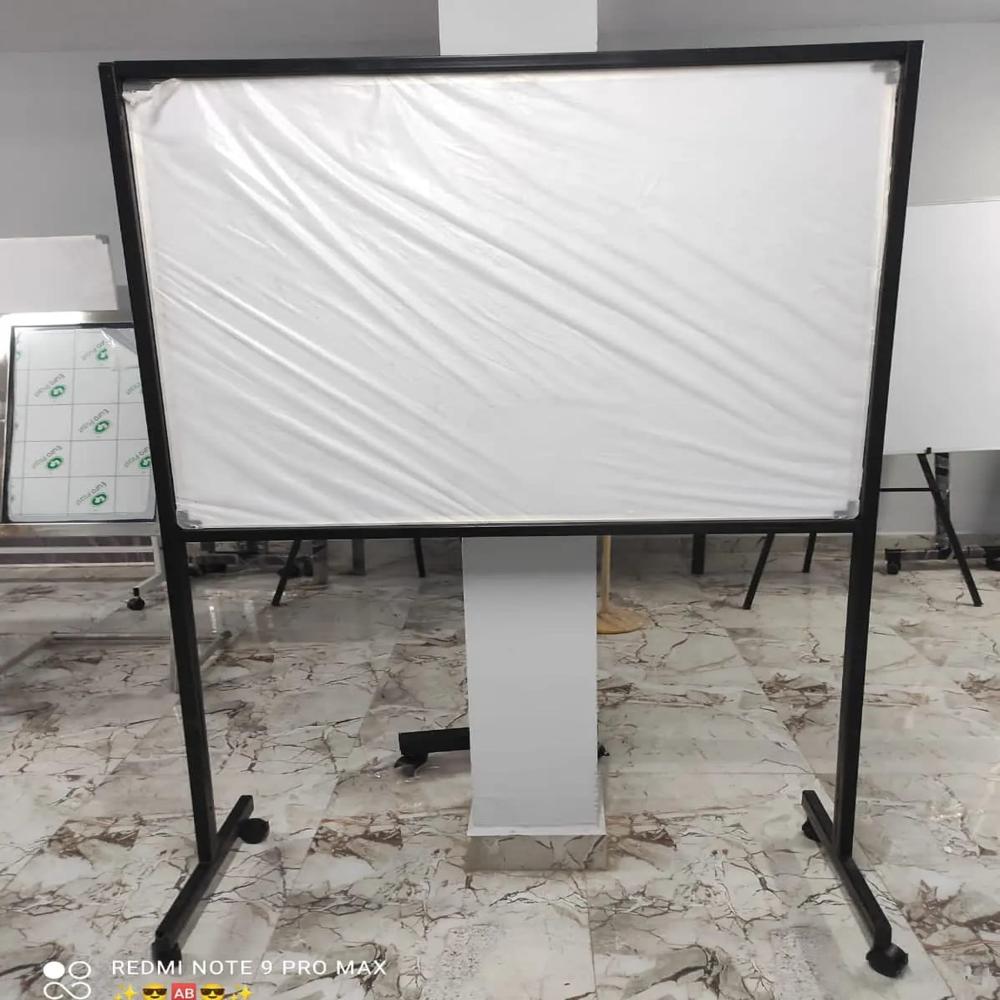
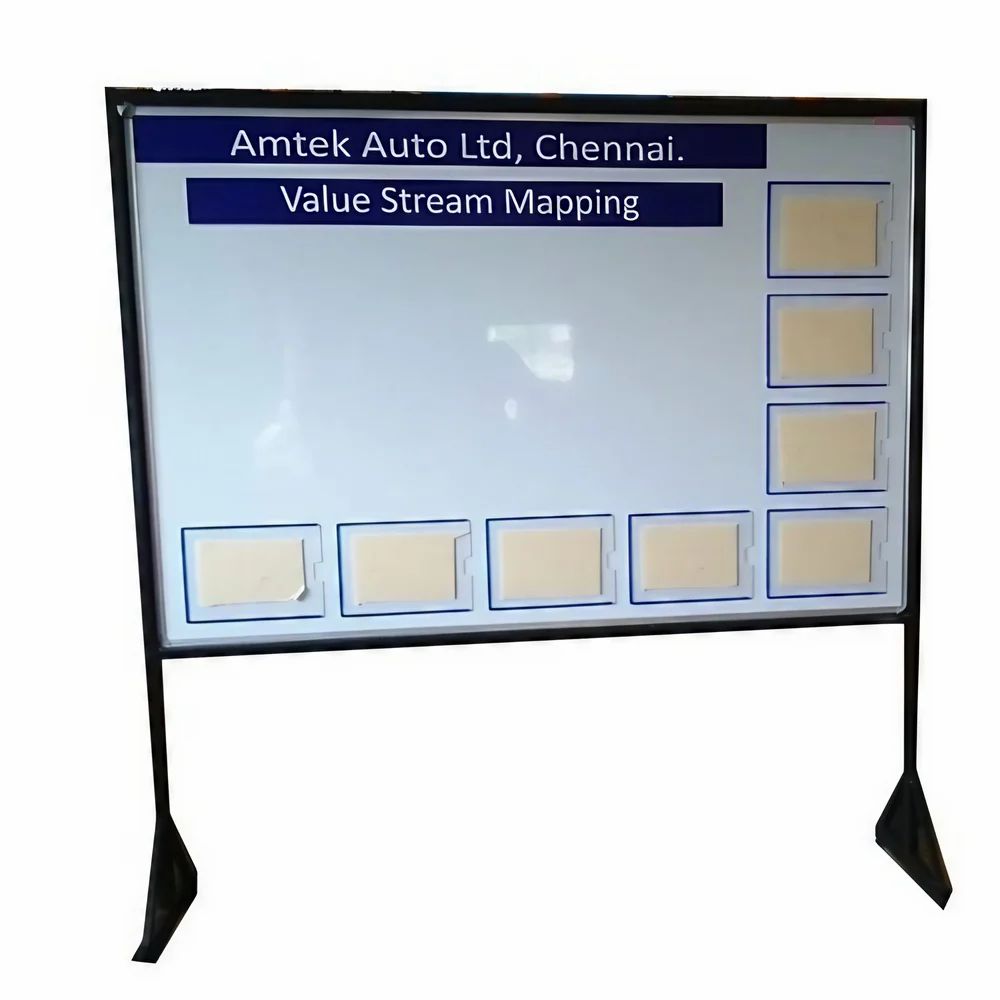
white writing board About
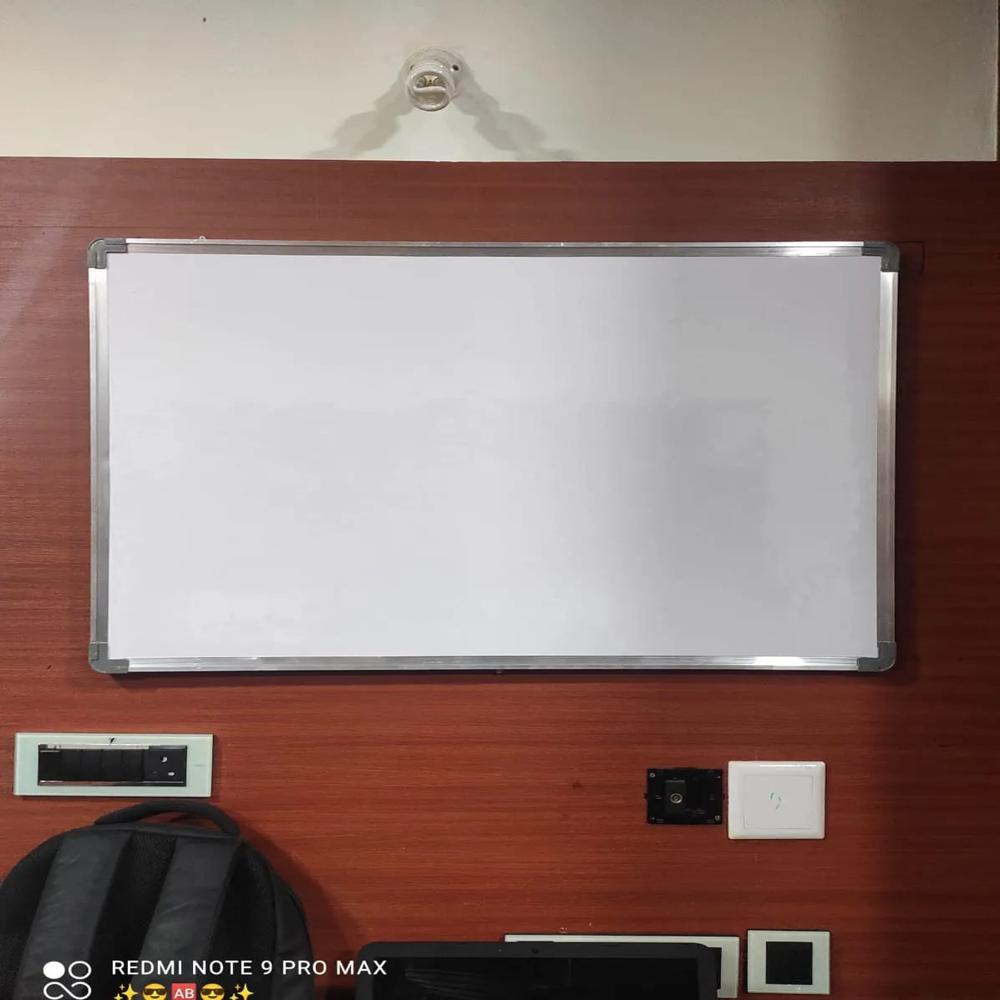
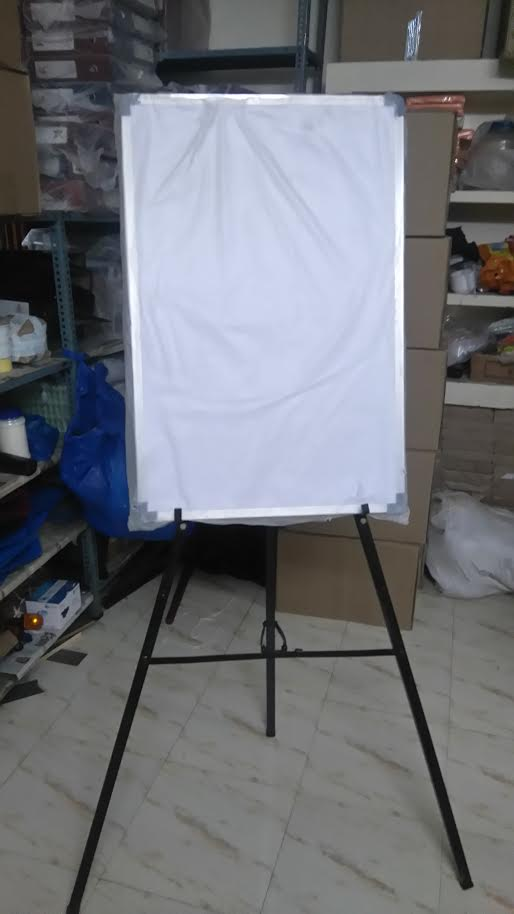
A whiteboard (also known by the terms marker board, dry-erase board, dry-wipe board, and pen-board) isa glossy, usually white surface for making non-permanent markings. Whiteboards are analogous to blackboards, but with a smoother surface allowing for rapid marking and erasing of markings on their surface
Reliable Performance for Multiple SurfacesThis marker's formulation allows efficient writing and bold marking on a wide variety of surfaces, including paper, plastic, wood, and metal. Its waterproof and quick-drying ink prevents smudging and maintains clarity, while fade resistance ensures lasting visibility, even after prolonged use.
Designed for Safe and Convenient UseEquipped with a ventilated safety cap, the marker prioritizes user safety in classrooms and offices. The fine tip supports precision work, making it suitable for detailed tasks across school, office, and household environments. With a standard size and single-marker packaging, handling and storage are simplified.
FAQ's of aluminum white board:
Q: How do I use the aluminum white board marker effectively?
A: Simply uncap the marker, ensuring the ventilated cap is safely set aside, and write or mark on your target surface using the fine tip. Its quick-drying, waterproof ink enables clear, smudge-resistant results on paper, plastic, metal, and more.
Q: What benefits does the fade-resistant ink provide?
A: The fade-resistant ink maintains vibrant, readable marks for extended periods, preventing critical information from becoming illegible even with frequent use or exposure to light.
Q: When is this marker most suitable to use?
A: This marker is ideal for situations requiring permanent markings, such as labeling files in offices, creating displays in schools, or marking inventory in industrial settings. Its quick-drying formula ensures efficiency during busy work sessions.
Q: Where can I use this marker besides white boards?
A: In addition to white boards, the marker is effective on surfaces like cardboard, paper, metal, plastic, and even wooden objects, enhancing its utility across educational, professional, and household contexts.
Q: What is the process for storage to maintain marker quality?
A: After each use, securely place the ventilated cap on the marker to prevent the ink from drying. Store the marker horizontally in a cool and dry place for best results.
Q: How does the marker's material composition impact durability?
A: With a robust plastic body (80%), reinforced by fiber (10%), the marker is lightweight yet sturdy. This composition offers long-lasting performance, comfortably withstanding everyday handling in schools and offices.


 Send Inquiry

 Send Inquiry

 Send Inquiry